
Male waxing has grown rapidly over the past few years, and with that the need for therapists to understand exactly how men’s treatments differ from women’s waxing services. From hair density and skin sensitivity to client expectations and aftercare, male waxing requires a slightly different approach to achieve the best results safely and professionally.
For salons and therapists looking to expand their treatments, understanding the specifics of male waxing can help improve client comfort, reduce common issues such as breakage and irritation, and build long-term client loyalty. Using professional systems such as Harley Waxing can also make a noticeable difference in treatment performance and therapist confidence.
Why Male Waxing Is Different
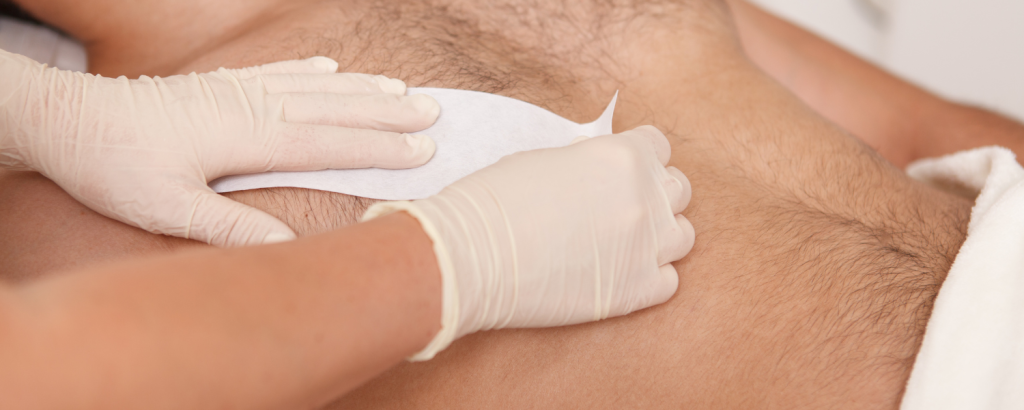
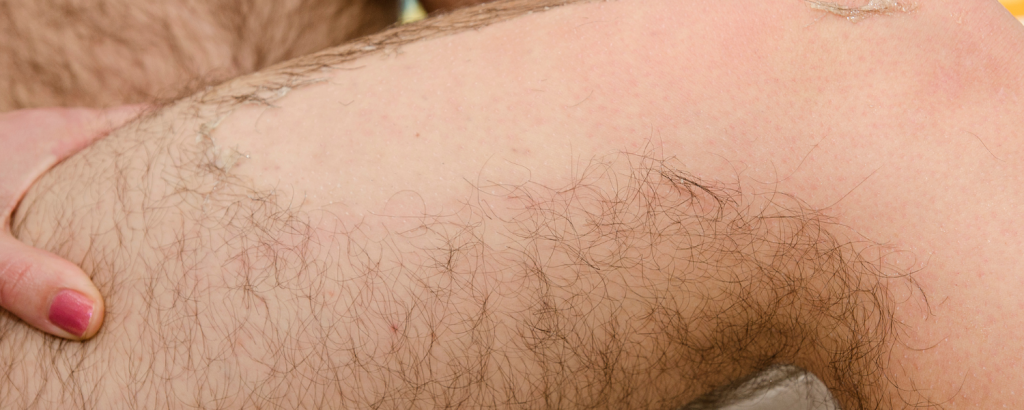
Men’s hair is typically more coarse, denser and deeply rooted. Their hair can also grow faster due to testosterone. This means treatments often require different techniques, timing, and wax choices compared to female waxing services.
Areas such as the back, chest, shoulders, and intimate zones can present particular challenges as hair may grow in multiple directions and sit at varying depths within the follicle.
For therapists, this means preparation and application technique becomes even more important.
Preparation Is Everything
Proper skin preparation is essential for male waxing treatments.
Men are often less likely to exfoliate regularly, meaning dead skin can build-up increasing the risk of ingrown hairs, uneven removal and wax grip issues that can lead to discomfort.
Before starting any treatment, you should be sure to thoroughly cleanse the skin to remove any oils, sweat or previous product residue. Trimming any hair that is excessively long can also help with comfort during the wax.
Many therapists find that using premium hot waxes , such as Harley Hot Wax, can help achieve better grip on coarse male hair while remaining gentle on the skin.
Choosing the Right Wax Matters
Not all waxes perform equally well on male hair.
For large areas like backs and chests, strip wax may still be suitable depending on their hair type. For example Harley Gold Strip Wax is designed to be used on coarse hair.
However, for the small areas like the underarms, facial or intimate waxing. A high-quality hot wax such as Harley Aloe How Wax is often the preferred option because it adheres more effectively to the hair rather than the skin. This helps reduce discomfort, minimise skin lifting and lower the risk of breakage, which helps improve the results
Professional therapists often prefer flexible, low-temperature waxes that can manage dense hair growth without becoming brittle during application.
Technique Adjustments for Male Clients
Male waxing treatments often require slower, more methodical working techniques.
Pay Attention to Hair Growth Direction
Men’s body hair commonly grows in several directions across the same area, particularly on their chest, stomach, shoulder and intimate areas. Applying wax without accessing the growth patterns first can increase the hair breakage, client discomfort and mean patchy results. Working in smaller sections usually provides better control and cleaner removal.
Skin Tension Is Crucial
Because male skin can be firmer and hair more resistant, proper skin tension becomes even more important. Without sufficient tension the hair may snap instead of lifting cleanly and bruising may occur. Therapists should encourage clients to assist with tension (where appropriate) during intimate or difficult treatments.
Male Intimate Waxing Requires Confidence and Professionalism
Male intimate waxing continues to increase in popularity, but many clients arrive feeling nervous or unsure about the process. To help clients feel more comfortable right from the start, therapists should maintain communication throughout the treatment, reassuring when needed. Explaining positioning beforehand and making sure to work confidently and professionally can also have a massive impact. Confidence from the therapist helps relax the client, which in turn improves treatment results.
Using a reliable wax that offers strong grip and flexibility can also help therapists work more efficiently during intimate services.
Aftercare Is Often Overlooked
Male clients are sometimes less familiar with waxing aftercare, so education is essential.
Always advise clients no gym sessions, hot shower or saunas for 48 hours. Avoid tight clothing, any heavily fragrance products and strictly no sun exposure immediately after treatment. Encourage regular exfoliation a few days post-treatment to help reduce ingrown hairs. Providing aftercare guidance not only improves results but also positions therapists as knowledgeable professionals clients can trust.
Building a Loyal Male Client Base
Men who wax regularly often become highly loyal clients once they find a therapist they trust.
Creating a comfortable, judgement-free environment is key. Therapists who combine excellent technique with premium products and clear communication are far more likely to retain male clients long term.
As demand for male grooming continues to rise, salons that invest in specialist waxing knowledge and professional waxes such as Harley Wax are well placed to stand out in a competitive market.
Final Thoughts
Male waxing is more than simply removing thicker hair, it requires tailored techniques, proper preparation, and the right products to deliver safe, effective results.
For therapists, mastering male waxing can open the door to a growing client base while strengthening professional expertise. With high-performance waxing systems, strong treatment knowledge, and attention to client care, therapists can provide a premium waxing experience that keeps clients returning time and time again.

We use cookies to give you the best online experience. By agreeing you accept the use of cookies in accordance with our cookie policy.